Plany kompleksowej renaturyzacji
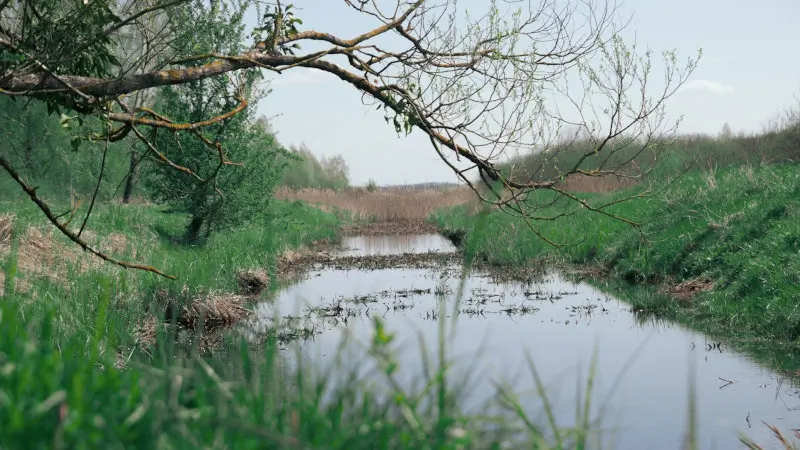
PGW Wody Polskie włączają się w realizację rozporządzenia UE „Nature Restoration Law” 15 stycznia 2025 prezes Wód Polskich, Joanna Kopczyńska, przedstawiła plany kompleksowej renaturyzacji podczas konferencji „Natura Ratuje Ludzi – wdrażanie Nature Restoration Law w Polsce”. Renaturyzacja rzek – kompleksowe podejście do przywracania naturalnych ekosystemów Renaturyzacja rzek to kluczowy element przywracania naturalnej równowagi ekosystemów wodnych […]
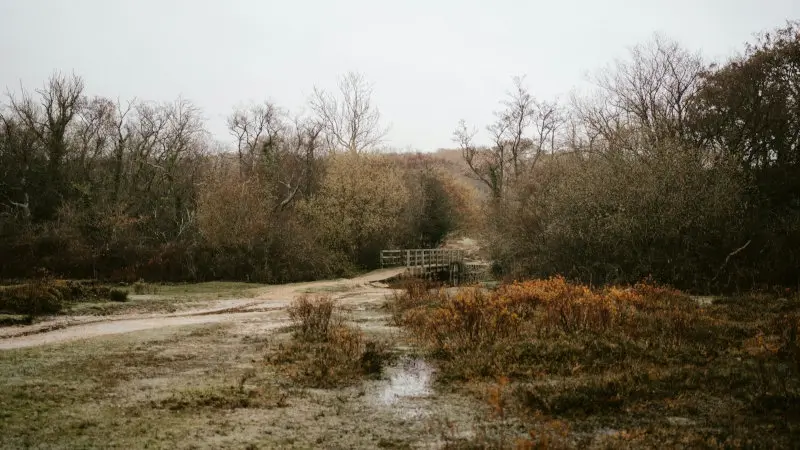
Retencja i melioracja – przyjaciele czy wrogowie?
Melioracja to proces zarządzania wodą na terenach rolniczych i zurbanizowanych. Jej celem jest regulacja stosunków wodnych, by chronić przed nadmiarem wody lub zapewnić jej dostępność w okresach suszy. Retencja to zdolność do zatrzymywania wody w środowisku. Stanowi fundament działań mających na celu łagodzenie skutków zmian klimatu. Oba podejścia są ze sobą powiązane. Melioracja tworzy infrastrukturę, […]
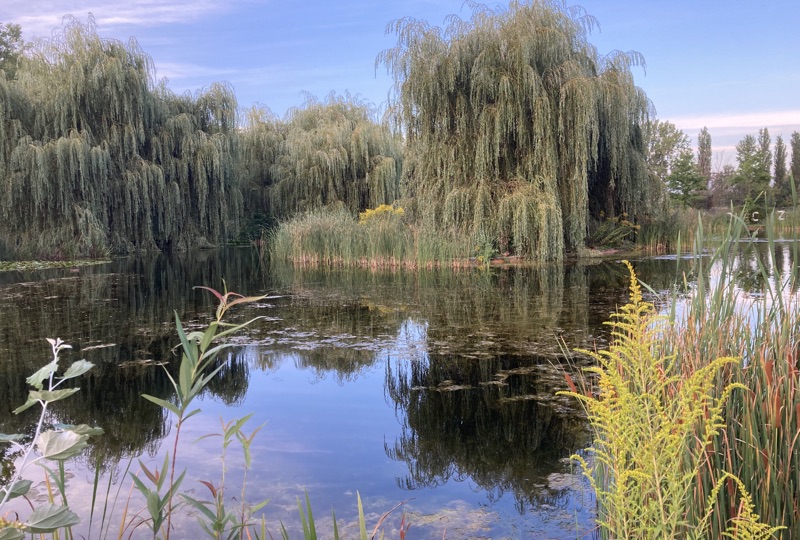
Hydrotechnika, inżynieria, rozwiązania
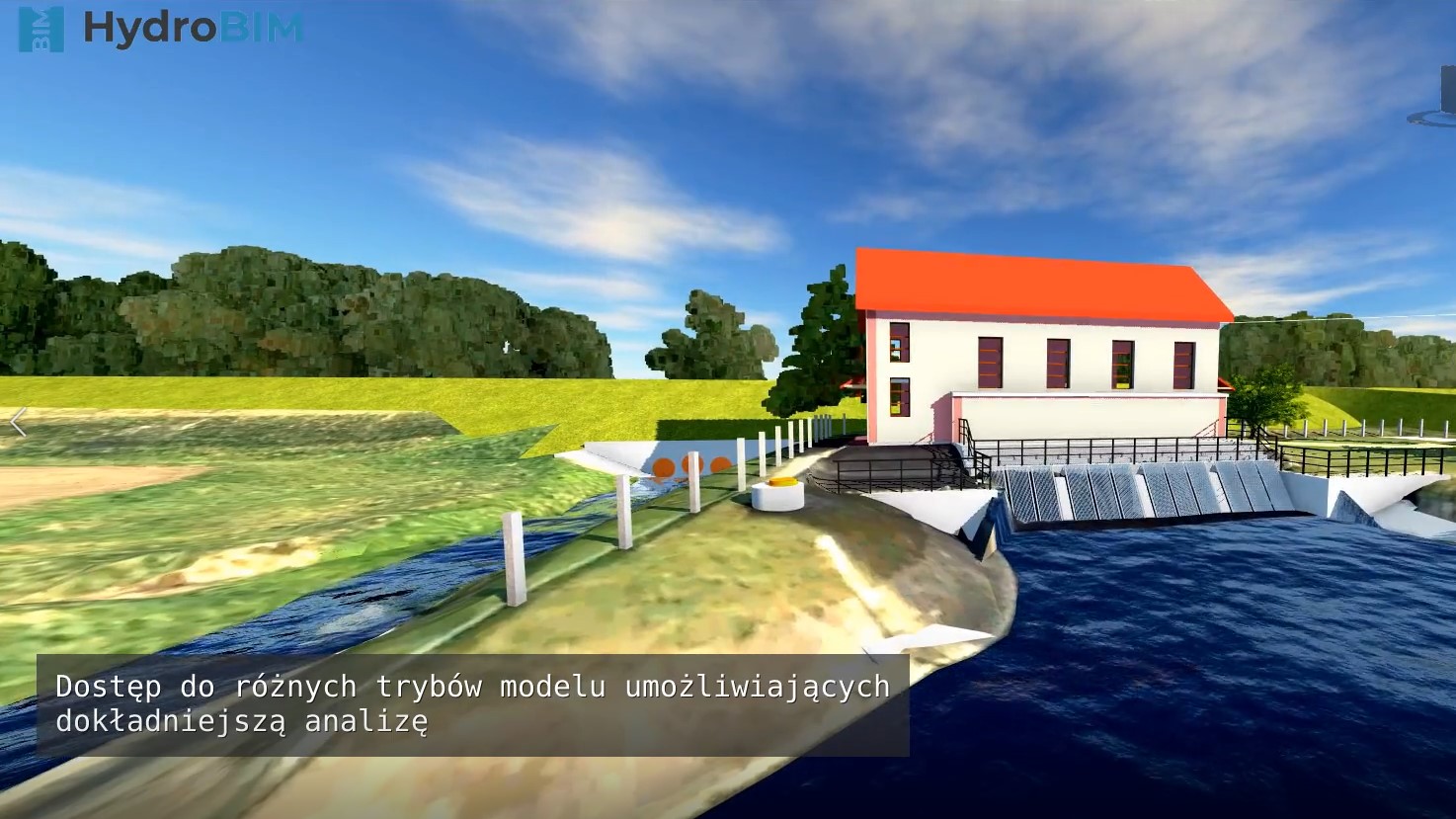
Hydrotechnika to dział inżynierii zajmujący się projektowaniem, budową i utrzymaniem infrastruktury związanej z wodami, jak zapory, wały przeciwpowodziowe, zbiorniki retencyjne, elektrownie wodne, śluzy, kanały oraz systemy irygacyjne, które mają na celu regulację przepływu wody i ochronę przed jej negatywnym wpływem. W kontekście rosnącego zagrożenia zmianami klimatycznymi znaczenie hydrotechniki rośnie. Co zaliczamy do budowli hydrotechnicznych? Budowle […]
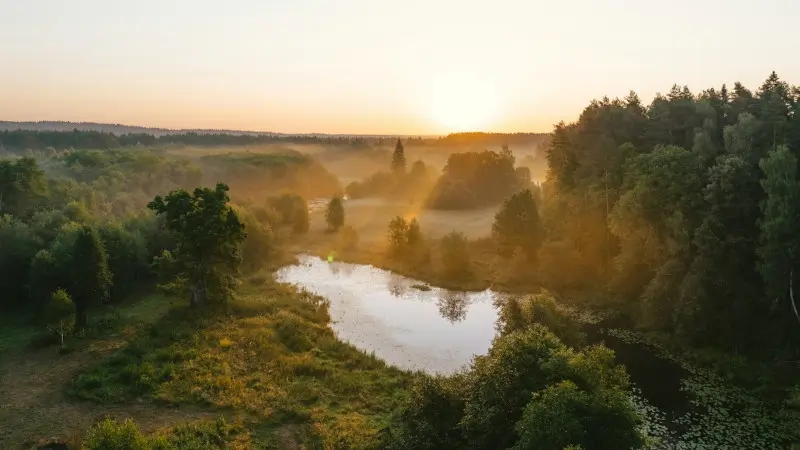
Hydrotechnika a środowisko
Hydrotechnika bywa krytykowana za ingerencję w środowisko naturalne. Głównie za tzw. „betonowanie rzek”, czyli intensywną regulację koryt rzek bez uwzględnienia ich naturalnych procesów. Trzeba jednak podkreślić, że nowoczesna hydrotechnika, oparta na aktualnych wymaganiach prawnych i zaawansowanych technologiach, ma zupełnie inne podejście. Współcześni inżynierowie projektują rozwiązania hydrotechniczne z myślą o zrównoważonym rozwoju, ochronie przyrody i minimalizacji […]
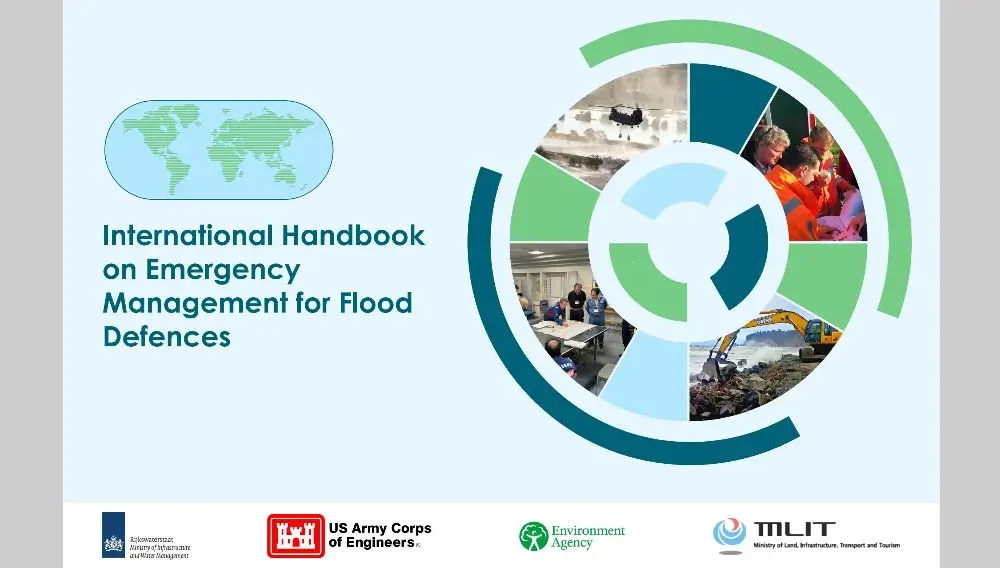
International Handbook on Emergency Management for Flood Defences – omówienie
Opublikowany 1 grudnia 2024 roku raport „International Handbook on Emergency Management for Flood Defences” to kompendium wiedzy o zarządzaniu kryzysowym w obszarze ochrony przeciwpowodziowej. Powstał jako odpowiedź na rosnące zagrożenie powodziami, wynikające z intensyfikacji ekstremalnych zjawisk pogodowych. Zmiany klimatu powodują wzrost częstotliwości i intensywności powodzi, co wymaga nowoczesnych, wielowymiarowych strategii zarządzania. Autorem opracowania jest międzynarodowy […]
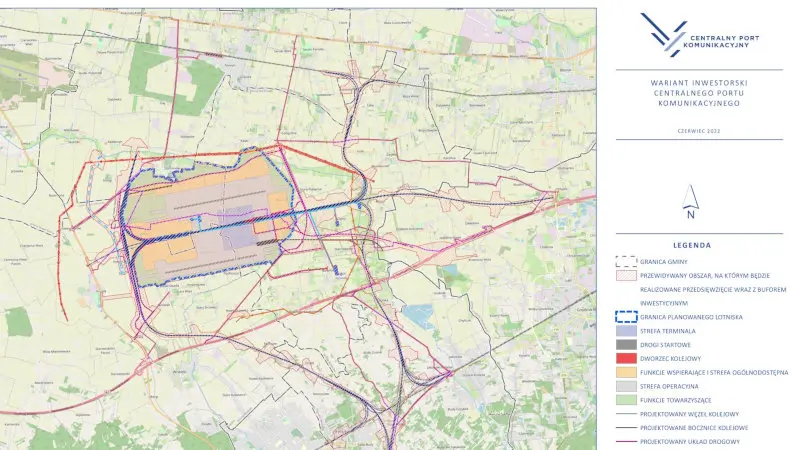
Central Communication Port – CPK Railway Hub
In September 2024, a contract was signed for the design of the first phase of the CPK railway hub, to be executed by the consortium of Elkol and Mosty Katowice. The task includes preparing design documentation and obtaining necessary construction permits. HydroBIM is responsible for the hydro technical aspects of this section. What is the […]
Węzeł kolejowy CPK
We wrześniu 2024 roku podpisano umowę na zaprojektowanie pierwszego etapu węzła kolejowego CPK, którą zrealizuje konsorcjum firm Elkol i Mosty Katowice. Zadanie obejmuje m.in. przygotowanie dokumentacji projektowej oraz uzyskanie niezbędnych pozwoleń na budowę. To kolejny odcinek kolejowy CPK, przy projektowaniu którego spółka HydroBIM jest odpowiedzialna za branżę hydrotechniczną. Czym jest węzeł kolejowy CPK? Budowa kolejowego […]

Hydrotechnika w CPK
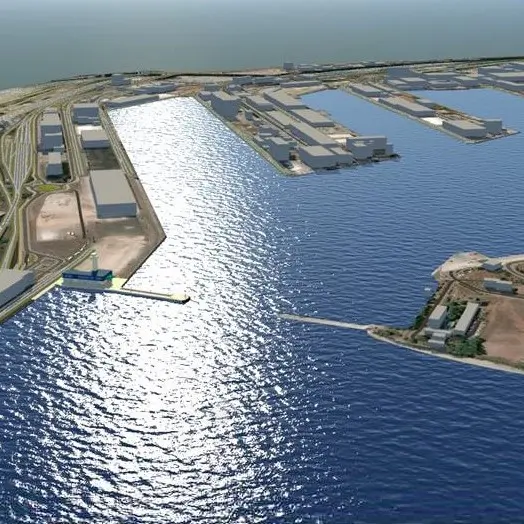
Centralny Port Komunikacyjny (CPK) to wyjątkowa inwestycja infrastrukturalna w Polsce. Łączy nowe lotnisko, sieć linii kolejowych oraz drogi krajowe. Program kolejowy zakłada budowę 2000 km nowych tras. Co ważne, projekt CPK jest od samego początku realizowany w metodyce BIM. Hydrotechnika w CPK, mimo że nie pojawia się na pierwszych stronach gazet, odgrywa niezmiernie ważną rolę […]

Miejskie Plany Adaptacji a modelowanie hydrodynamiczne
Ministerstwo Klimatu i Środowiska przygotowało projekt zmiany Ustawy o ochronie środowiska. Zmiany maja na celu opracowanie miejskich planów adaptacji do zmian klimatu (MPA) dla miast liczących powyżej 20 tysięcy mieszkańców. Przyjęte rozwiązania mają zapewnić wsparcie w tworzeniu i realizacji planów. Celem jest zwiększenie skuteczności działań adaptacyjnych w kontekście rosnących zagrożeń klimatycznych. Czym są Miejskie Plany […]
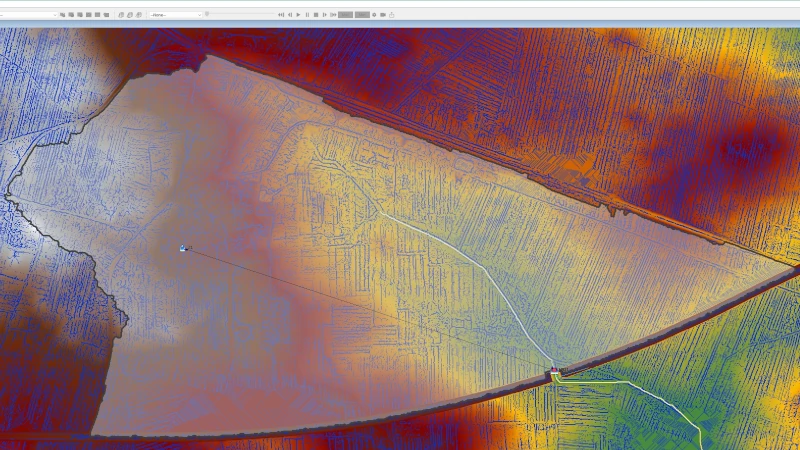
Dewatering and Drainage in Linear Infrastructure Projects
In linear infrastructure projects, such as roads or railways, drainage and dewatering protect these structures from damage and contribute to improved stormwater management. The design of drainage and drainage systems is part of HydroBIM’s catalogue of services. It is part of our responsibility, among other things, as a subcontractor for water engineering works on the […]